
Die Anvil's Storage Utilities sind kostenlos erhältlich und eignen sich sowohl für Benchmarks auf modernen SSDs als auch auf herkömmlichen magnetischen Speichern (HDDs). Die Freeware misst nicht nur die Lese- und Schreibtransferraten in bis zu sechs verschiedenen Clustergrößen, sondern auch die Anzahl der Ein- und Ausgabebefehle, die das Laufwerk pro Sekunde abarbeiten kann (IOPS). Für unsere Tests haben wir die sequentiellen Datenraten sowie IOPS ermittelt. Zudem mussten die Testprobanden bei kleineren 4K-Blöcken und bei erweiterter Anfragetiefe (QD16) ihr Können unter Beweis stellen.
| Transferrate, Lesen, Mittelwert | |
| ZOTAC Sonix, 480 GB (PCIe 3.0 x4) | 2.572,86 |
| Intel SSD 750 Series, 1.2 TB (PCIe 3.0 x4) | 2.151,26 |
| Kingston HyperX Predator, 480 GB (PCIe 2.0 x4) | 1.287,24 |
| Plextor M6e Black, 256 GB (PCIe 2.0 x2) | 721,13 |
| OCZ TR150, 480 GB | 531,53 |
| Plextor M6V, 256 GB | 529,34 |
| OCZ Trion 100, 960 GB | 527,29 |
| OCZ Vector 180, 240 GB | 527,21 |
| ZOTAC Premium SSD, 240 GB | 527,16 |
| Plextor M7V, 256 GB | 527,16 |
| Toshiba Q300, 240 GB | 525,13 |
| Kingston HyperX Savage SSD, 480 GB | 525,13 |
| Toshiba Q300 Pro, 256 GB | 520,99 |
| Toshiba Q300 Pro, 128 GB | 520,99 |
| Toshiba Q-Series Pro, 256 GB | 520,99 |
| Crucial MX200, 500 GB | 520,99 |
| Crucial BX200, 480 GB | 520,85 |
| SanDisk X400, 1 TB | 340,99 |
| Angaben in MB/sec (mehr ist besser) | |
| Transferrate, Schreiben, Mittelwert | |
| ZOTAC Sonix, 480 GB (PCIe 3.0 x4) | 1.338,56 |
| Intel SSD 750 Series, 1.2 TB (PCIe 3.0 x4) | 1.216,15 |
| Kingston HyperX Predator, 480 GB (PCIe 2.0 x4) | 585,81 |
| Plextor M6e Black, 256 GB (PCIe 2.0 x2) | 551,72 |
| Kingston HyperX Savage SSD, 480 GB | 500,98 |
| OCZ TR150, 480 GB | 497,33 |
| ZOTAC Premium SSD, 240 GB | 497,09 |
| Plextor M7V, 256 GB | 489,95 |
| OCZ Vector 180, 240 GB | 478,95 |
| Toshiba Q-Series Pro, 256 GB | 472,11 |
| Crucial MX200, 500 GB | 465,67 |
| Toshiba Q300 Pro, 256 GB | 465,45 |
| Toshiba Q300 Pro, 128 GB | 465,45 |
| SanDisk X400, 1 TB | 452,70 |
| OCZ Trion 100, 960 GB | 449,71 |
| Crucial BX200, 480 GB | 446,58 |
| Plextor M6V, 256 GB | 341,90 |
| Toshiba Q300, 240 GB | 154,08 |
| Angaben in MB/sec (mehr ist besser) | |
| Zugriffe, Lesen, Mittelwert | |
| ZOTAC Sonix, 480 GB (PCIe 3.0 x4) | 643 |
| Intel SSD 750 Series, 1.2 TB (PCIe 3.0 x4) | 537 |
| Kingston HyperX Predator, 480 GB (PCIe 2.0 x4) | 322 |
| Plextor M6e Black, 256 GB (PCIe 2.0 x2) | 180 |
| OCZ TR150, 480 GB | 133 |
| ZOTAC Premium SSD, 240 GB | 132 |
| Plextor M7V, 256 GB | 132 |
| Plextor M6V, 256 GB | 132 |
| OCZ Trion 100, 960 GB | 132 |
| Toshiba Q300, 240 GB | 131 |
| Kingston HyperX Savage SSD, 480 GB | 131 |
| Toshiba Q300 Pro, 256 GB | 130 |
| Toshiba Q300 Pro, 128 GB | 130 |
| Toshiba Q-Series Pro, 256 GB | 130 |
| Crucial MX200, 500 GB | 130 |
| Crucial BX200, 480 GB | 130 |
| OCZ Vector 180, 240 GB | 124 |
| SanDisk X400, 1 TB | 85 |
| Angaben in IOPS (mehr ist besser) | |
| Zugriffe, Schreiben, Mittelwert | |
| ZOTAC Sonix, 480 GB (PCIe 3.0 x4) | 334 |
| Intel SSD 750 Series, 1.2 TB (PCIe 3.0 x4) | 304 |
| Kingston HyperX Predator, 480 GB (PCIe 2.0 x4) | 147 |
| Plextor M6e Black, 256 GB (PCIe 2.0 x2) | 137 |
| Kingston HyperX Savage SSD, 480 GB | 125 |
| ZOTAC Premium SSD, 240 GB | 124 |
| OCZ TR150, 480 GB | 124 |
| Plextor M7V, 256 GB | 122 |
| OCZ Vector 180, 240 GB | 119 |
| Toshiba Q-Series Pro, 256 GB | 118 |
| Toshiba Q300 Pro, 256 GB | 116 |
| Toshiba Q300 Pro, 128 GB | 116 |
| Crucial MX200, 500 GB | 116 |
| SanDisk X400, 1 TB | 113 |
| OCZ Trion 100, 960 GB | 112 |
| Crucial BX200, 480 GB | 112 |
| Plextor M6V, 256 GB | 86 |
| Toshiba Q300, 240 GB | 38 |
| Angaben in IOPS (mehr ist besser) | |
| Transferrate, Lesen, Mittelwert | |
| ZOTAC Sonix, 480 GB (PCIe 3.0 x4) | 209,74 |
| Intel SSD 750 Series, 1.2 TB (PCIe 3.0 x4) | 42,96 |
| Plextor M7V, 256 GB | 42,67 |
| SanDisk X400, 1 TB | 41,34 |
| ZOTAC Premium SSD, 240 GB | 40,26 |
| OCZ Vector 180, 240 GB | 39,48 |
| Kingston HyperX Predator, 480 GB (PCIe 2.0 x4) | 38,54 |
| Plextor M6V, 256 GB | 38,01 |
| Crucial BX200, 480 GB | 35,84 |
| Plextor M6e Black, 256 GB (PCIe 2.0 x2) | 35,68 |
| Kingston HyperX Savage SSD, 480 GB | 34,55 |
| OCZ TR150, 480 GB | 33,89 |
| Crucial MX200, 500 GB | 33,62 |
| Toshiba Q300, 240 GB | 33,17 |
| OCZ Trion 100, 960 GB | 33,01 |
| Toshiba Q-Series Pro, 256 GB | 24,89 |
| Toshiba Q300 Pro, 256 GB | 24,84 |
| Toshiba Q300 Pro, 128 GB | 24,05 |
| Angaben in MB/sec (mehr ist besser) | |
| Transferrate, Schreiben, Mittelwert | |
| ZOTAC Sonix, 480 GB (PCIe 3.0 x4) | 221,56 |
| Crucial MX200, 500 GB | 149,22 |
| OCZ Vector 180, 240 GB | 147,38 |
| SanDisk X400, 1 TB | 136,34 |
| Toshiba Q300 Pro, 256 GB | 133,97 |
| Plextor M6V, 256 GB | 133,37 |
| Kingston HyperX Savage SSD, 480 GB | 131,42 |
| Toshiba Q300 Pro, 128 GB | 130,71 |
| Toshiba Q-Series Pro, 256 GB | 129,64 |
| ZOTAC Premium SSD, 240 GB | 122,54 |
| OCZ Trion 100, 960 GB | 121,91 |
| OCZ TR150, 480 GB | 114,65 |
| Kingston HyperX Predator, 480 GB (PCIe 2.0 x4) | 108,65 |
| Plextor M6e Black, 256 GB (PCIe 2.0 x2) | 101,46 |
| Plextor M7V, 256 GB | 98,37 |
| Intel SSD 750 Series, 1.2 TB (PCIe 3.0 x4) | 95,37 |
| Toshiba Q300, 240 GB | 87,38 |
| Crucial BX200, 480 GB | 83,64 |
| Angaben in MB/sec (mehr ist besser) | |
| Zugriffe, Lesen, Mittelwert | |
| ZOTAC Sonix, 480 GB (PCIe 3.0 x4) | 53.694 |
| Intel SSD 750 Series, 1.2 TB (PCIe 3.0 x4) | 10.997 |
| Plextor M7V, 256 GB | 10.924 |
| SanDisk X400, 1 TB | 10.583 |
| ZOTAC Premium SSD, 240 GB | 10.305 |
| Kingston HyperX Predator, 480 GB (PCIe 2.0 x4) | 9.866 |
| Plextor M6V, 256 GB | 9.731 |
| OCZ Vector 180, 240 GB | 9.545 |
| Crucial BX200, 480 GB | 9.174 |
| Plextor M6e Black, 256 GB (PCIe 2.0 x2) | 9.134 |
| Kingston HyperX Savage SSD, 480 GB | 8.844 |
| OCZ TR150, 480 GB | 8.674 |
| Crucial MX200, 500 GB | 8.607 |
| Toshiba Q300, 240 GB | 8.492 |
| OCZ Trion 100, 960 GB | 8.451 |
| Toshiba Q-Series Pro, 256 GB | 6.373 |
| Toshiba Q300 Pro, 256 GB | 6.359 |
| Toshiba Q300 Pro, 128 GB | 6.158 |
| Angaben in IOPS (mehr ist besser) | |
| Zugriffe, Schreiben, Mittelwert | |
| ZOTAC Sonix, 480 GB (PCIe 3.0 x4) | 56.718 |
| Crucial MX200, 500 GB | 38.200 |
| OCZ Vector 180, 240 GB | 37.728 |
| SanDisk X400, 1 TB | 34.903 |
| Toshiba Q300 Pro, 256 GB | 34.296 |
| Plextor M6V, 256 GB | 34.143 |
| Kingston HyperX Savage SSD, 480 GB | 33.642 |
| Toshiba Q300 Pro, 128 GB | 33.461 |
| Toshiba Q-Series Pro, 256 GB | 33.188 |
| ZOTAC Premium SSD, 240 GB | 31.369 |
| OCZ Trion 100, 960 GB | 31.208 |
| OCZ TR150, 480 GB | 29.350 |
| Kingston HyperX Predator, 480 GB (PCIe 2.0 x4) | 27.815 |
| Plextor M6e Black, 256 GB (PCIe 2.0 x2) | 25.973 |
| Plextor M7V, 256 GB | 25.182 |
| Intel SSD 750 Series, 1.2 TB (PCIe 3.0 x4) | 24.415 |
| Toshiba Q300, 240 GB | 22.368 |
| Crucial BX200, 480 GB | 21.412 |
| Angaben in IOPS (mehr ist besser) | |
| Transferrate, Lesen, Mittelwert | |
| ZOTAC Sonix, 480 GB (PCIe 3.0 x4) | 825,67 |
| Intel SSD 750 Series, 1.2 TB (PCIe 3.0 x4) | 577,00 |
| OCZ Vector 180, 240 GB | 349,81 |
| ZOTAC Premium SSD, 240 GB | 344,38 |
| Crucial MX200, 500 GB | 342,93 |
| SanDisk X400, 1 TB | 322,61 |
| Plextor M6e Black, 256 GB (PCIe 2.0 x2) | 314,18 |
| Kingston HyperX Predator, 480 GB (PCIe 2.0 x4) | 307,47 |
| Toshiba Q300 Pro, 256 GB | 302,62 |
| Toshiba Q-Series Pro, 256 GB | 299,14 |
| Kingston HyperX Savage SSD, 480 GB | 298,61 |
| OCZ TR150, 480 GB | 298,27 |
| Toshiba Q300, 240 GB | 291,25 |
| OCZ Trion 100, 960 GB | 289,91 |
| Plextor M7V, 256 GB | 283,11 |
| Toshiba Q300 Pro, 128 GB | 277,86 |
| Plextor M6V, 256 GB | 272,96 |
| Crucial BX200, 480 GB | 236,91 |
| Angaben in MB/sec (mehr ist besser) | |
| Transferrate, Schreiben, Mittelwert | |
| Intel SSD 750 Series, 1.2 TB (PCIe 3.0 x4) | 1.131,36 |
| ZOTAC Sonix, 480 GB (PCIe 3.0 x4) | 695,75 |
| Kingston HyperX Savage SSD, 480 GB | 343,26 |
| OCZ Vector 180, 240 GB | 342,63 |
| Crucial MX200, 500 GB | 331,92 |
| Plextor M6e Black, 256 GB (PCIe 2.0 x2) | 331,44 |
| ZOTAC Premium SSD, 240 GB | 326,00 |
| Plextor M7V, 256 GB | 320,23 |
| Kingston HyperX Predator, 480 GB (PCIe 2.0 x4) | 318,83 |
| OCZ TR150, 480 GB | 297,01 |
| Plextor M6V, 256 GB | 287,03 |
| SanDisk X400, 1 TB | 282,53 |
| OCZ Trion 100, 960 GB | 266,39 |
| Toshiba Q300 Pro, 256 GB | 240,34 |
| Toshiba Q-Series Pro, 256 GB | 236,62 |
| Toshiba Q300 Pro, 128 GB | 206,48 |
| Toshiba Q300, 240 GB | 140,54 |
| Crucial BX200, 480 GB | 130,13 |
| Angaben in MB/sec (mehr ist besser) | |
| Zugriffe, Lesen, Mittelwert | |
| ZOTAC Sonix, 480 GB (PCIe 3.0 x4) | 211.371 |
| Intel SSD 750 Series, 1.2 TB (PCIe 3.0 x4) | 147.711 |
| ZOTAC Premium SSD, 240 GB | 88.161 |
| Crucial MX200, 500 GB | 87.790 |
| OCZ Vector 180, 240 GB | 83.950 |
| SanDisk X400, 1 TB | 82.588 |
| Plextor M6e Black, 256 GB (PCIe 2.0 x2) | 80.431 |
| Kingston HyperX Predator, 480 GB (PCIe 2.0 x4) | 78.711 |
| Toshiba Q300 Pro, 256 GB | 77.471 |
| Toshiba Q-Series Pro, 256 GB | 76.580 |
| Kingston HyperX Savage SSD, 480 GB | 76.444 |
| OCZ TR150, 480 GB | 76.356 |
| Toshiba Q300, 240 GB | 74.559 |
| OCZ Trion 100, 960 GB | 74.217 |
| Plextor M7V, 256 GB | 72.475 |
| Toshiba Q300 Pro, 128 GB | 71.131 |
| Plextor M6V, 256 GB | 69.878 |
| Crucial BX200, 480 GB | 60.647 |
| Angaben in IOPS (mehr ist besser) | |
| Zugriffe, Schreiben, Mittelwert | |
| Intel SSD 750 Series, 1.2 TB (PCIe 3.0 x4) | 289.628 |
| ZOTAC Sonix, 480 GB (PCIe 3.0 x4) | 178.113 |
| Kingston HyperX Savage SSD, 480 GB | 87.874 |
| OCZ Vector 180, 240 GB | 87.712 |
| Crucial MX200, 500 GB | 84.970 |
| Plextor M6e Black, 256 GB (PCIe 2.0 x2) | 84.848 |
| ZOTAC Premium SSD, 240 GB | 83.457 |
| Plextor M7V, 256 GB | 81.980 |
| Kingston HyperX Predator, 480 GB (PCIe 2.0 x4) | 81.621 |
| OCZ TR150, 480 GB | 76.035 |
| Plextor M6V, 256 GB | 73.480 |
| SanDisk X400, 1 TB | 72.326 |
| OCZ Trion 100, 960 GB | 68.195 |
| Toshiba Q300 Pro, 256 GB | 61.527 |
| Toshiba Q-Series Pro, 256 GB | 60.575 |
| Toshiba Q300 Pro, 128 GB | 52.859 |
| Toshiba Q300, 240 GB | 35.979 |
| Crucial BX200, 480 GB | 33.313 |
| Angaben in IOPS (mehr ist besser) | |
Die falsche Festplatte zu formatieren, wirkt im ersten Moment endgültig. Doch nach einer Schnellformatierung sind die Dateien oft nicht sofort...
Der Rechner braucht plötzlich Minuten statt Sekunden zum Starten, Programme reagieren verzögert, und der Lüfter wird hörbar laut. Viele Nutzer...
Razer erweitert sein Tastaturportfolio um die Reclusa X Mini 65%. Das kompakte Modell kombiniert mechanische Switches, optimierte Akustik und Gaming-Funktionen...
Eine von WD gesponserte globale Studie von IDC zeigt, dass der Ausbau von KI-Infrastrukturen nicht nur mehr Rechenleistung, sondern auch...
Wer nur gelegentlich ein Dokument formatiert oder eine Tabelle pflegt, stellt sich früher oder später eine Frage: Lohnt sich ein...
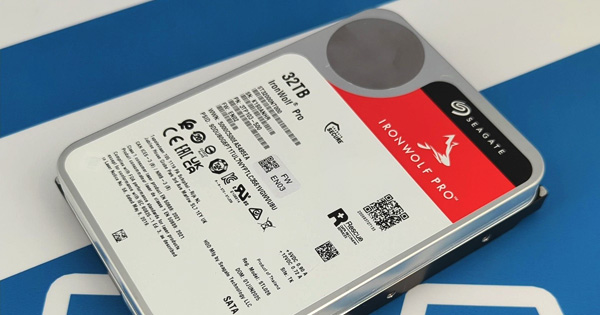
Die Familie der IronWolf Pro Festplatten von Hersteller Seagate adressiert vor allem NAS-Systeme im Profi-Segment. Wir haben uns das aktuelle Flaggschiff der CMR-Plattform mit satten 32 TB im Praxistest zur Brust genommen.
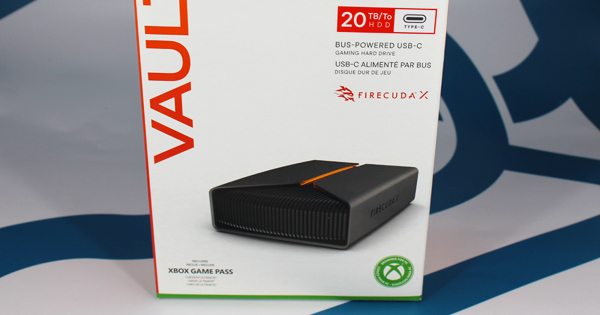
Mit der FireCuda X Vault präsentiert Seagate eine neue externe Festplatte, die vollständig über USB-C versorgt wird und bis zu satte 20 TB bietet. LED-Beleuchtung und ein passendes Toolkit runden das Gesamtpaket ab.
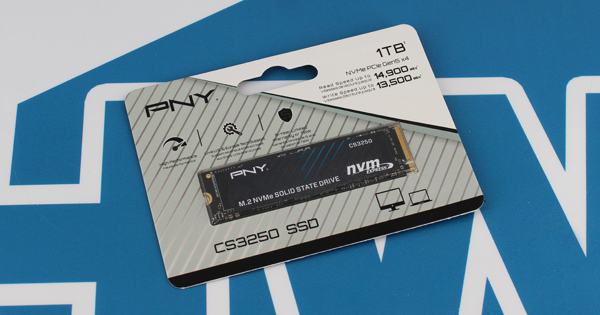
PNY bietet mit der CS3250 eine Familie von PCIe Gen5 SSDs an, die mit Speicherkapazitäten von bis zu 4 TB erhältlich sind. Die Drives erreichen bis zu 14.900 MB/s lesend. Wir haben das 1-TB-Modell getestet.